
An alert arriving on a phone is one part of a response plan. What would the person receiving it do next? A planned exercise can reveal unclear instructions before they matter in real work. Test the people, information and decisions alongside your lone worker app.
At a glance
- Agree the exercise and its limits before starting.
- Practise the response beyond receiving an alert.
- Assign each gap an owner, then check the fix.
Decide what you want to learn
HSE’s guidance for Great Britain recommends regularly testing lone-worker contact systems and emergency procedures. Its wider emergency guidance stresses realistic practice and clear responsibilities. The approach below is a practical way to organise that rehearsal, not a prescribed HSE drill.
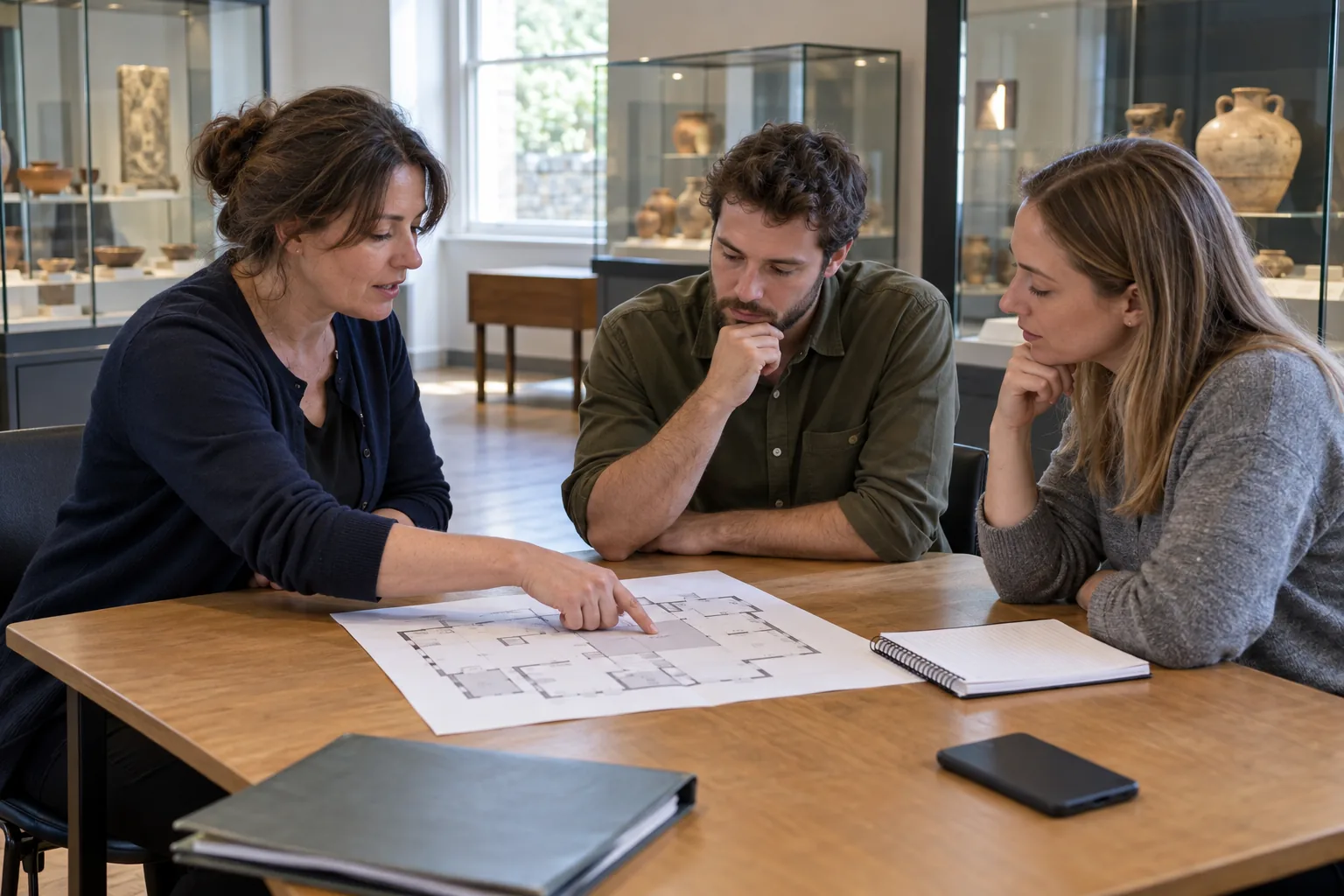
Choose one question: could the responder find the worker’s details and follow the agreed escalation route if contact failed? Start with a discussion around a table, then arrange a controlled technical test where needed. A discussion alone does not demonstrate that notifications reach the intended devices.
Set the boundaries first
Tell everyone involved when the exercise starts and ends, who is coordinating it and which actions are simulated. Keep cover for real lone-working activities clear throughout.
- Use a safe practice setting; do not create a hazardous situation to make the exercise realistic.
- Agree a clear way to stop the exercise if a real concern arises.
- Talk through a simulated emergency-services call without dialling 999 as a test.
- Check the current system guidance before triggering an alarm or sending test messages.
Practical example: a museum collections team
Consider a small museum where a collections assistant sometimes catalogues objects alone in an approved workroom. A duty manager and backup responder have been named, but the team has not rehearsed what happens after an unanswered contact attempt.
During a daytime tabletop exercise, the coordinator could describe an overdue check-in and ask the duty manager to work through the written plan. Where would they find the activity details? Which contact method would they try? At what point would the agreed procedure require further action?
The backup could then explain how they would take over, while the collections assistant checks whether the recorded building entrance and workroom information would help someone unfamiliar with the site. The team should discuss safe access and who can provide local information, without sending anyone to attempt an unplanned rescue.
If a step depends on someone remembering a number or knowing where a key is kept, that is a gap to resolve. The team could update the instructions and repeat that part of the exercise. The lesson is to make the response usable by the person actually covering the work.
Include the LoneApp setup in your check
LoneApp’s manager dashboard brings activity details, last reported locations and response updates together. Use that context during practice, checking location timestamps rather than assuming a map pin is current. Primary and backup responders are assigned in Teams & responders.
Follow the current Support guidance for readiness checks and testing. Routine responder notifications are suppressed in trial mode, but requested connection tests and controlled drills can send messages. A visible dashboard alarm does not establish that live notifications are enabled.
LoneApp supports your arrangements; it does not replace risk assessment, safe working or employer response arrangements. A staffed alarm receiving centre is not included.
Close the gaps, then repeat
Record what you tested, what worked, any uncertainty and who will fix it by when. Check the fix rather than simply filing the exercise record.
Next step: choose one lone-working task and schedule a short rehearsal with its worker, primary responder and backup. Use the findings to decide what needs a further practical test.